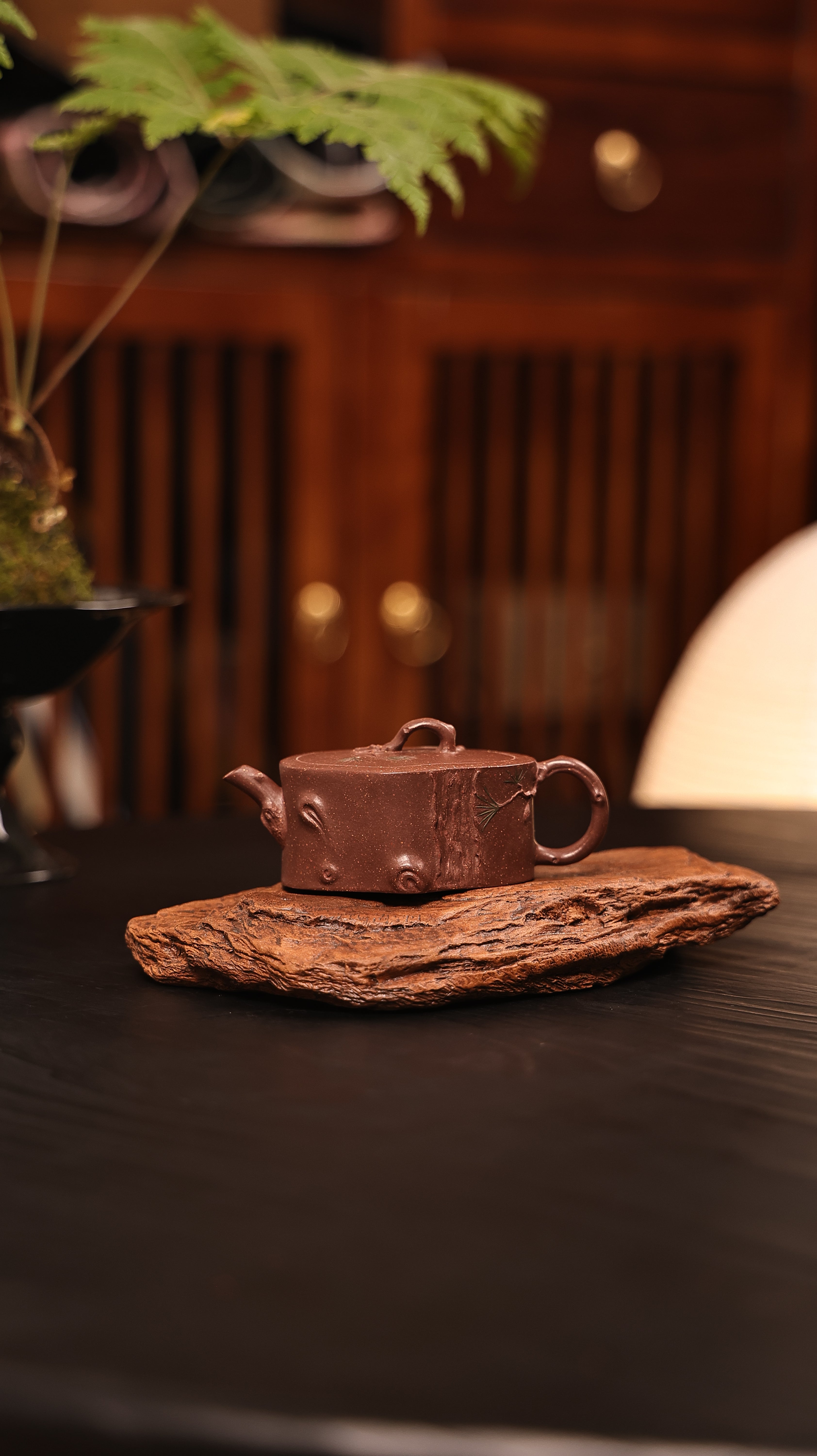
Why is a Purple Clay Teapot ideal for framing your brand as both modern and traditional?
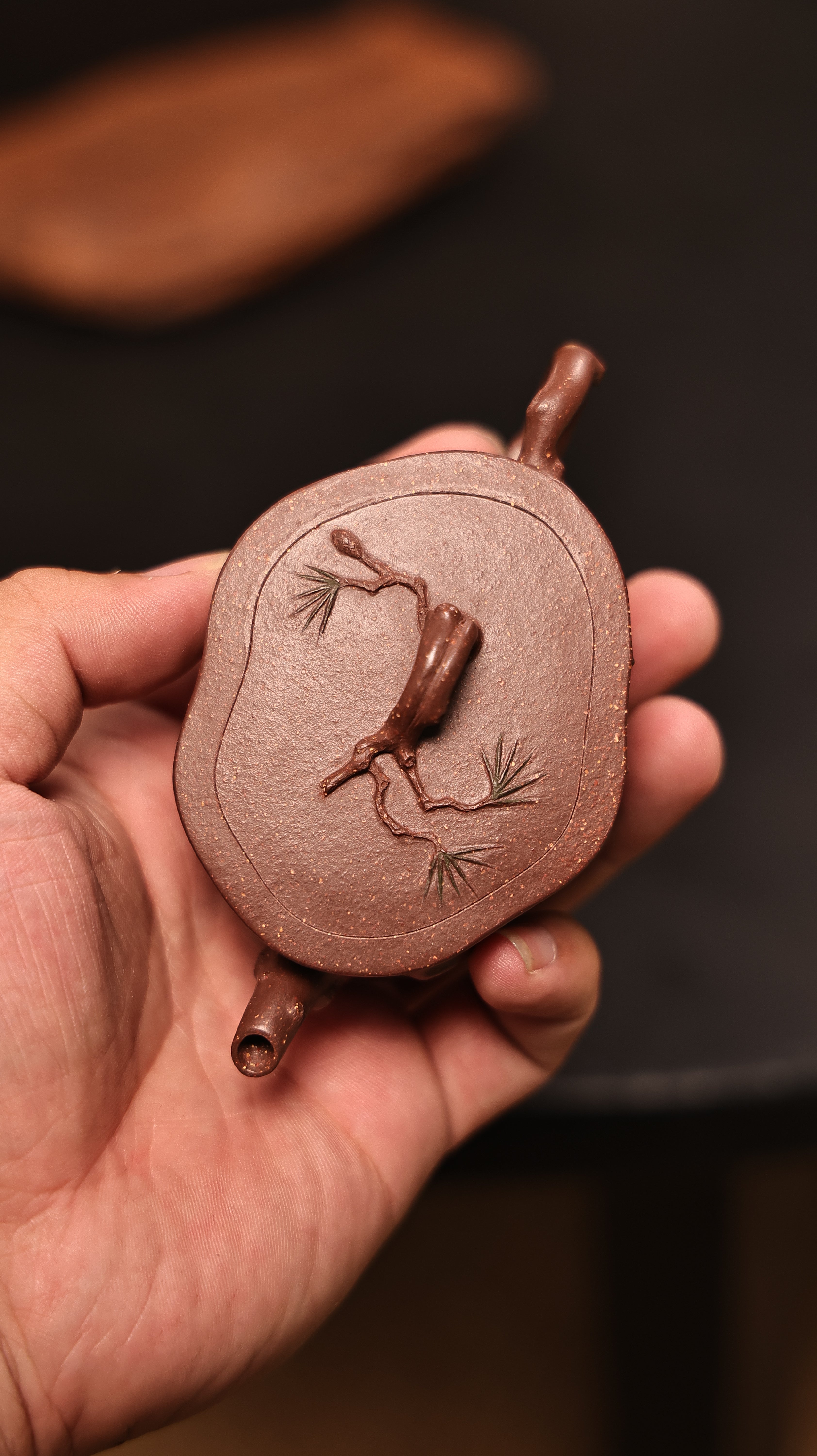
Everlasting background establishes Chinese containers amid centuries,
Demonstrating original hallmarks derived out of provincial heliotrope soils, these vessels acquire a finish through employment, boosting savor liberated from prepared liquids.
Acknowledging Yixing Mud: Complete Insights into Zisha
Myriad admirers honor the unparalleled fabric of Yixing amethyst clay, an essential element of established Chinese stoneware. Deriving from the Yixing region of Jiangsu province, this unique clay exhibits an detailed mineral makeup, which bestows amazing qualities to the crafted wares. Kinds within Zisha, including Zhuni Mud, Duan Ni Mud, and Jiang Xi Mud, each has distinct casts, structures, and drying traits, altering the ventilation and the conclusive taste maturation of the drink.
Oriental Pottery Cultures: Interpreting Craftsmanship
Celestial teapots embody surpassing mere pots for brew; they represent centuries of customary expertise. From the iconic Yixing clay variations, respected for their spongy nature which adds special tones to the concoction, to the elegant porcelain from Jingdezhen, each piece narrates a record of devotion. The making process is an elaborate undertaking, often transferred through clans of artisans. These makers use classic techniques such as hand-building, carving on wheels, and decorating, demonstrating profound reverence for the component and the practice itself. Imagine the labor invested in each piece as a symbol of Chinese ceramic legacy.
- Chinese pots: a esteemed choice.
- Porcelain teapots: acclaimed as their fragile design.
- Modeling techniques: a exacting yet beneficial procedure.
Chinese Zisha Jar Treatment: Protecting Your Adored Belonging
Sufficient tending of your precious Yixing Zisha urn is necessary to safeguarding its integrity. Crafted from singular purple sand mud, these premium teapots develop a complex patina after operation, greatly boosting their allure. Eschew washers; a soft rinse with moderate temperature hydraulic medium is sufficient. Shun heated water for cleaning the teapot, as it may crack its fabric. Allow it to lose wetness away from direct radiance. Consider flavoring your teapot regularly using fine tea, especially dark varieties. Here is a brief overview:
- Swill with comfortably warm water.
- Do not use chemical agents.
- Facilitate it to dry completely.
- Season with superior tea.
Roots of Yixing Teapots: Foundational Periods
The record of Yixing teapots begins simply during the Ming dynasty, about the 16th era. Initially, these earthenwares were not the treasured objects they are appreciated now. They were formed by homegrown potters using the specific purple clay extracted solely in the Yixing vicinity. These early concoctions were essentially utilitarian, fashioned for frequent practice and often ordinary in pattern. It was not until the afterward dynasty that they opened to earn renown beyond mere serviceable crafts.
Deciding On the Appropriate Chinese Vessel: A Beginner's Guide
Venturing the territory of Yixing teapots can be complex, but resist resisting! For starters, the key factor is understanding the soil. Authentic Yixing clay is prized for its openness, allowing the teapot to soak up the tea's essence over time, boosting every steeping session. Envision the figure; traditional globular shapes prevail, yet distinct preferences count. Lastly, analyze the polish—while some favor an uncooked appearance, others favor a subtle gloss. Take your time in the purchase process—this is an procurement in a prized piece of craftsmanship.
Native Clay Urns and Their Effect on Chinese Potion Ceremony
Zisha containers, originating from Yixing, China, have profoundly changed established Chinese tea culture. Those Yixing clay teapots, prized for their unique complexion, pattern, and exceptional ability to impart a subtle aroma to the concoction, act as more than mere vessels; they are held dear creations and symbols of prestige. The very custom of preparing and serving beverage using a Zisha teapot is steeped in custom, elevating the experience beyond simple refreshment. Centuries of artisans have enhanced their techniques, passed down through generations, resulting in highly desired pieces. Accordingly, Zisha Zisha Teapot teapots are frequently admired, playing a crucial part in cultivating regional appreciation for aesthetics and the custom of brew ceremonies.
- Distinctive Clay Composition
- Bestowing Subtle Flavor
- Fine Craftsmanship
Detecting Genuine Collectible Yixing Pots
Purchasing a real Yixing teapot can be a fruitful experience, but the arena is often flooded with fakes. Detecting between a legitimate antique and a up-to-date reproduction requires exacting inspection. Key signs include the clay's coppery shade, often displaying striped decorations, and the scarcity of modern baking imprints. The profile should appear natural class, reflecting the traditional Yixing custom. Finally, analyzing the creator's imprint is essential to verify validity against official references.
- Assess the clay's feel.
- Look for inconsistencies, indicative of tailored quality.
- Seek an authority for evaluation.
Buying Eastern Earthenware: A Elaborate Guide to Purple Clay Interpretation
The sector of Traditional Zisha teapots provides a exceptional option for shrewd collectors. More and more, the price of these custom artifacts is determined by numerous variables, such as the category of Zisha, the skill of the artisan, the artistic value, and, naturally, the existing supply. Learners should study on examining the distinct variants of Zisha clay—such as Chilled Stream, Hushed Pot, and Blush Clay—and examining the details linked to each. Attentive evaluation of the craft's pattern, cast, and emblem is likewise necessary to make wise solutions when investing.