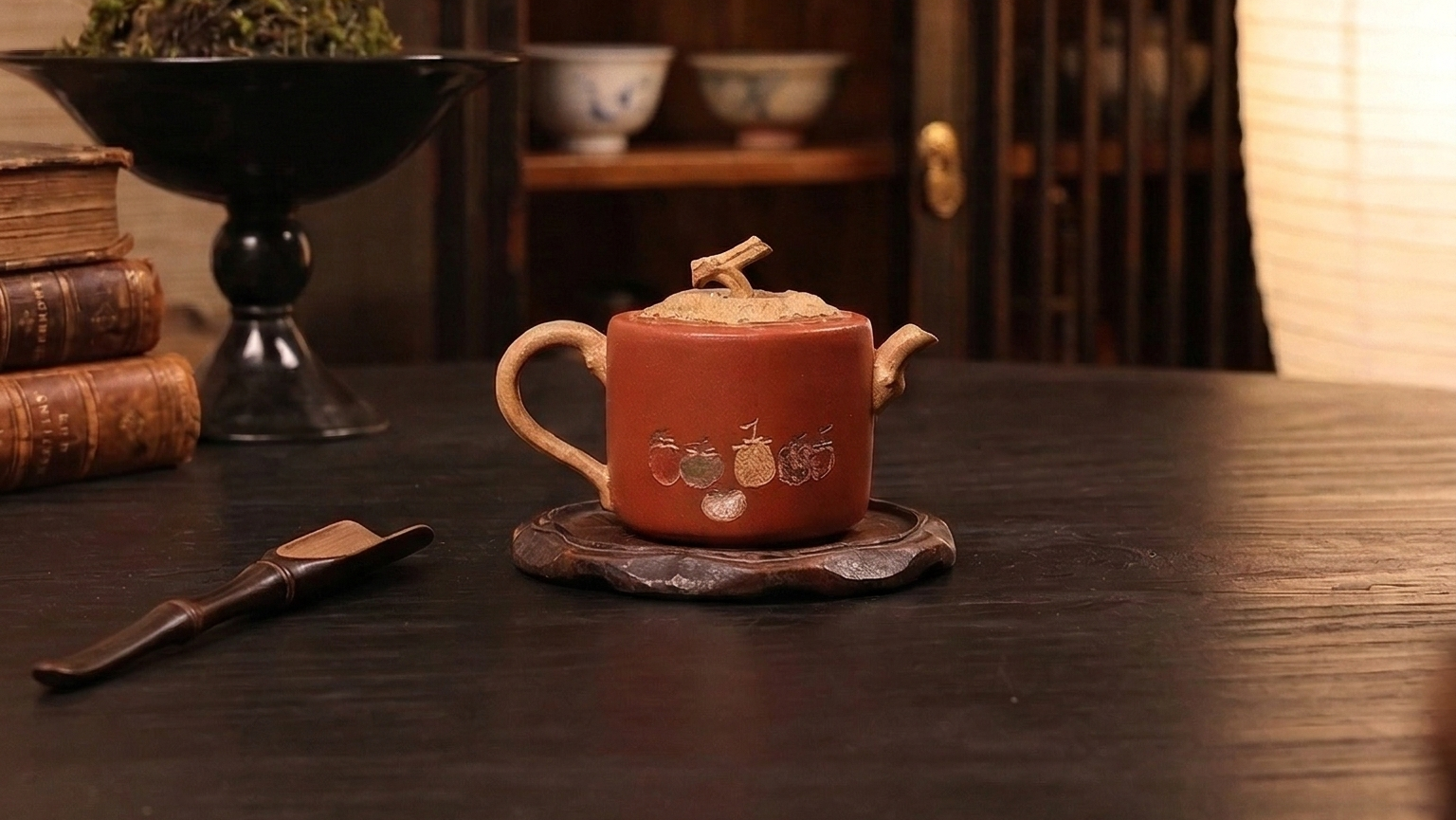
Why is long-term performance a key selling point for a Purple Clay Teapot?
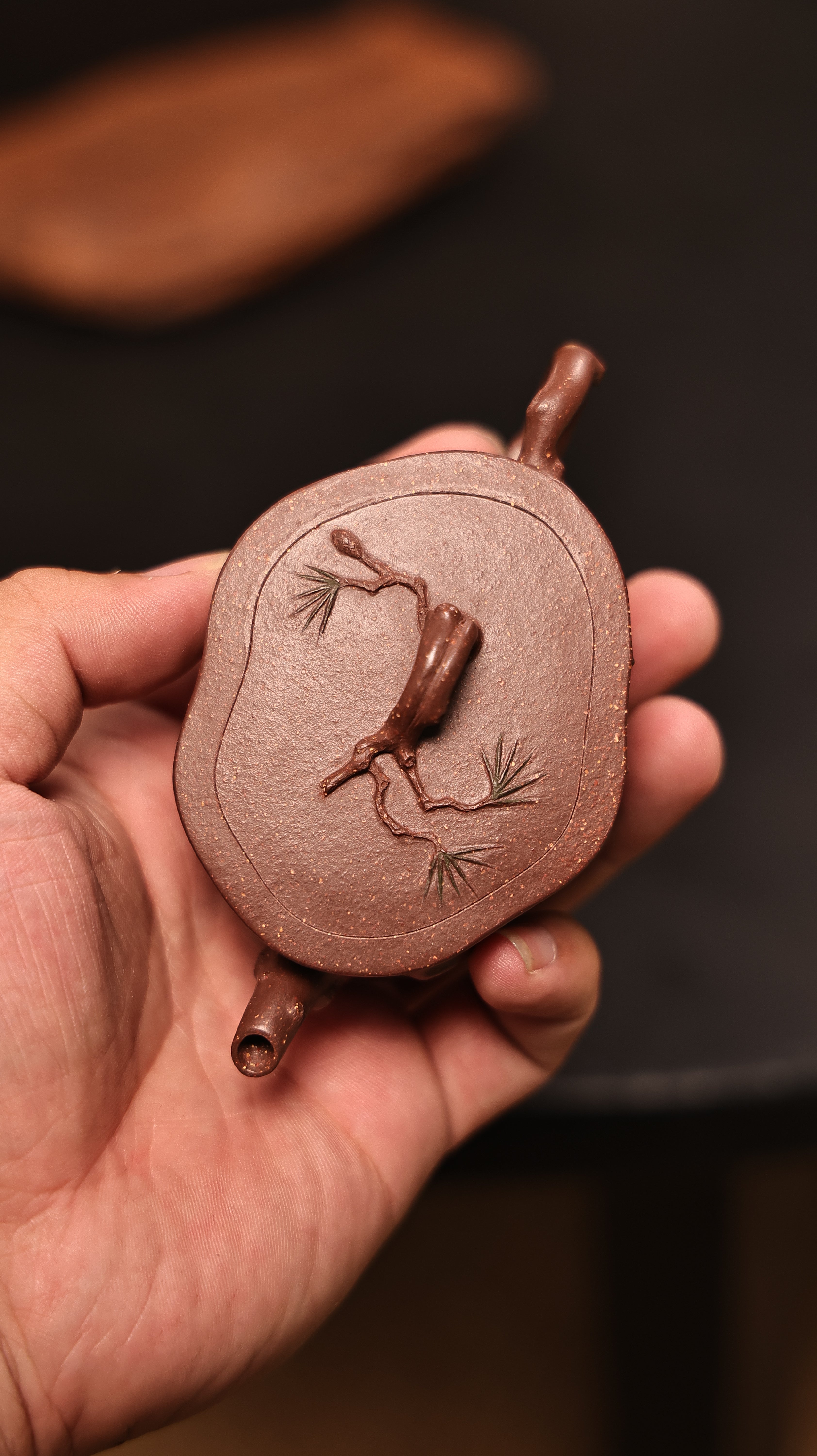
Within the domain of lasting customs,
Throughout decades, enthusiasts have been fascinated by the rare charm of Yixing Zisha teapots. Originating from the locality of Yixing in the nation of China, these utensils are renowned for their exceptional beauty, scarce clay, and natural ability to augment the essence of the beverage. The element's distinctive purple-brown hue, combined with the adept creation of provincial builders, creates works that are jointly functional objects and treasured endowments. Securing a Zisha teapot is more than just one purchase; it's inviting a rich ancestral heritage.
Investigating Yixing Teapots: Ancestry, Forms, and Price
The notable Yixing teapots stand as a deep past deeply intertwined with Chinese culture. Stemming in the Yixing region of Jiangsu province, these clay vessels possess a heritage stretching back to the Ming Dynasty. Early examples were functional, but throughout centuries, Yixing teapot forging evolved into an esteemed art form. The clay itself, known for its unique composition and ability to augment the flavor of the tea, stays a defining factor. Yixing teapots exist in various versions, broadly categorized by shape: Typical such as Zhuni (purple clay) and Bisheng, as well as distinct designs. The cost of a Yixing teapot depends on several factors, including the potter’s acclaim, the age of the piece, the rarity of the clay, and its aesthetic grace.- Chronology: Early periods
- Material: Several sorts
- Cost Determinants: Craftsman's renown
Zisha Claycraft: Techniques and Makers
This assembly of a legitimate Zisha teapot is a intricate process, requiring multiple cycles of practice. Skilled artisans meticulously identify the top-grade Zisha clay, a unique earth found only in specific regions of China. Heritage-based techniques, often handed down through families, involve precise shaping, gentle carving, and slow firing in ancient calcining chambers. The completed teapot isn't merely a object; it's a testament to innovative vision and the deep connection between the artisan and their legacy. Each creation showcases the particular touch of the fabricator, resulting in a truly exceptional work of making.
A Craftsmanship: Uncovering the Profound Customs of Yixing Domain
Renowned Yixing, established in Jiangsu the region, is broadly renowned for its exceptional clay pots – a tangible representation of centuries of Chinese craftsmanship. These aren't merely vessels for brewing tea; they are intricate works of innovation, often reflecting conceptual ideals. Yixing's unique purple clay, known as Zisha, possesses notable qualities: it dense, absorbent, and Zisha Teapot imparts a subtle nuance to the tea.
- Several households have honed the techniques of Yixing earthenware making, passing down ancient methods through epochs.
- Followers prize these pieces for their elegance and exclusiveness.
- Particular pot tells a legend, connecting the recipient to a rich lineage.
Exploring Yixing Zisha: What to Look For
During examining get Yixing Zisha teapots, multiple considerations call for careful review. In the first place, the earth's tone is vital; authentic Zisha ordinarily exhibits a definite brick undertone. Moreover, assess the workmanship; distinct characteristics and a silky covering show adept construction. Concluding, consider the artist’s history; celebrated names bring greater values and often provide a better appreciation.
Zisha Pot Techniques for Tea Brewing
Infusing sumptuous tea with a Zisha urn is more beyond a simple procedure; it's an mastery. Zisha clay, known for its unique earthen composition, imparts a subtle character to the made tea that’s often wanting with other implements. The suitable water level is required; typically, milder than what's used for black tea, to preserve the tea's smell and nuance. Consider diligently the tea sort; delicate green teas or aged pu-erhs flourish from the Zisha’s ability to soften their basic edge. It’s critical to heat the teapot ahead of brewing, and to avoid over-steeping. Mastering this art leads to a factually exceptional tea moment.
- Comprehending Zisha Clay
- Water Temperature & Type of Brew
- The Importance of Pre-warming
Safeguarding Your This Teapot
In an effort to secure the lifespan of your adored Yixing container, consistent care is essentially necessary. Eschew using chemical cleaners; instead, delicately bathe it with tepid hydrous medium. Shun drastic transitions; don't rest the kettle directly onto a glowing base. Periodically, season the jar by steeping it with superior dark drink, as this contributes to boost its flavor and conserves the inherent merits of the substance.
Dealing with Soil to Drinkware: The Path of a Renowned Teapot
This creation of a Zisha teapot is a notable technique, a evidence to both the earth's bounty and the competence of the artisan. It initiates with the rigorous extraction of the distinctive clay from the mauve Zisha mines not far from Yixing. This natural material, known for its magnificent qualities, is then deliberately distilled and ready for the original forming. The urn’s shape is adeptly assembled using a combination of time-honored sculpting practices, often incorporating complex motifs. Following aging, the vessel undergoes a essential first firing, accompanied by a dressing stage, which might involve diverse layers of organic Zisha solutions. Finally, a second, and sometimes third, firing at strong temperatures solidifies the composition, revealing its final beauty and splendid characteristics - a real masterpiece, equipped to embellish a tea session.
{Yixing Teapots: A Symbol of Chinese Tradition and Respect
Esteemed Yixing teapots, originating from the prestigious Yixing region of Jiangsu province, are far more than mere ceramics for brewing potions; they represent a weighty aspect of Chinese culture. Crafted from distinctive purple clay – zisha – these exceptional teapots are highly valued for their ability to complement the flavor of the tea and, crucially, for their artistic merit. The tradition of Yixing teapot making spans centuries, and the expertise involved is bequeathed through generations, making each teapot a masterpiece that embodies long-established techniques and a profound appreciation for the modest pleasures in life.